



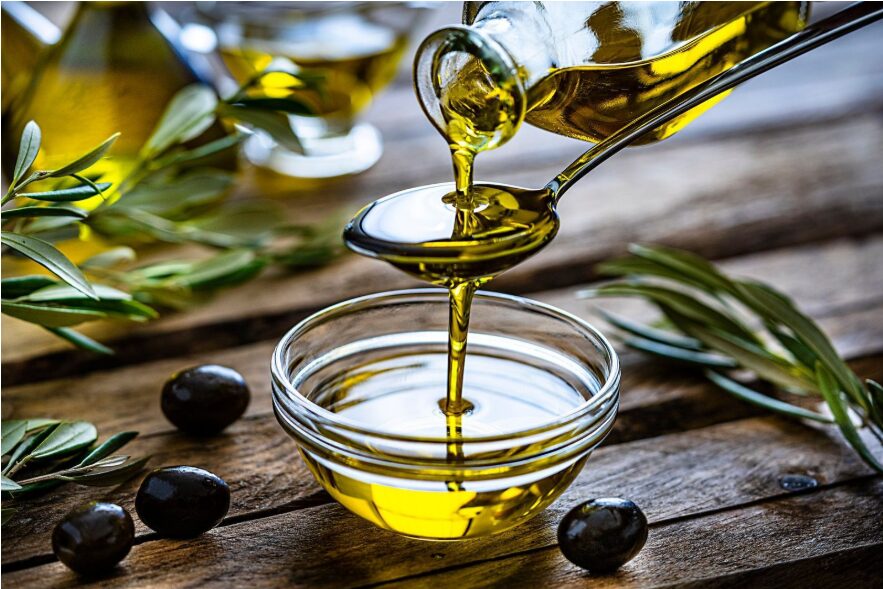
1. Why Olive Oil is Considered a “Good Oil”
The core value of olive oil lies in two points: monounsaturated fatty acids and polyphenolic antioxidants.
The former helps lower bad cholesterol and maintain good cholesterol, while the latter participates in combating inflammation and oxidative stress, providing an “invisible protective shield” for blood vessels and cells.
The Mediterranean diet, with olive oil as its primary fat source, is considered by numerous studies and professional institutions to be a dietary pattern beneficial to cardiovascular health and longevity.
The key is not how much oil you consume on any given day, but rather replacing some saturated and trans fats with good oils over the long term.
2. Nutritional Highlights of Extra Virgin Olive Oil
1. Healthy Fats and Fat-Soluble Vitamins
Extra virgin olive oil (EVOO) contains a large amount of oleic acid-type monounsaturated fatty acids and a high proportion of vitamin E and vitamin K.
Moderate consumption of this type of fat can help improve cardiovascular health and blood lipid markers, provided it replaces some of the saturated animal fats, rather than simply adding to them.
Each teaspoon of olive oil is not low in calories, so even this “good oil” needs to be factored into your total calorie intake and weight management.
2. Polyphenols and Anti-inflammatory Effects

Extra virgin olive oil retains more polyphenolic compounds (such as oleocanthal, which contributes to its spiciness), which are believed to be related to its anti-inflammatory, vascular-protective, and potentially cancer-lowering effects.
These antioxidants reduce LDL oxidation and improve vascular endothelial function, considered key to olive oil’s superiority over other “calorie-rich fats.”
3. How Much Olive Oil Should You Consume Daily?
International recommendations do not encourage unlimited oil consumption, but rather advocate for moderate, stable, and primarily substitution-based intake.
- Some studies and experts suggest that approximately 1.5 tablespoons of extra virgin olive oil daily can help protect the cardiovascular system and reduce inflammation.
- The US FDA has previously recommended approximately 2 tablespoons (about 23 grams) of olive oil daily for heart health, provided that other sources of high saturated fat are replaced with olive oil.
The real key is “a little bit every day, consistently over the long term,” rather than occasionally gulping down several tablespoons at once.
4. Does “drinking a spoonful of olive oil on an empty stomach” actually work?
In some Mediterranean countries and popular health articles, drinking a small spoonful of extra virgin olive oil on an empty stomach in the morning is considered a lifestyle habit for maintaining gut health and weight.
Possible benefits include:
- Prolonging satiety as a fat source, stabilizing energy levels between meals, and reducing the risk of overeating.
- Liquid oils have a “laxative” effect on some people; combined with sufficient water and fiber, it may help improve constipation.

However, this practice is not necessary. Many studies show that as long as olive oil is regularly used to replace other fats in daily meals, cardiovascular and metabolic benefits can be enjoyed; “drinking it on an empty stomach” is not mandatory.
5. How to Use Olive Oil Smarter
1. Most Recommended Uses
- As a cold dressing or sauce: Toss salads, pour over roasted vegetables, fish, beans, or whole grains to preserve both flavor and nutrients.
- Low to medium heat frying: For everyday stir-fries and stews, cooking over medium heat generally keeps olive oil within its stable range.
This preserves most of the polyphenols and makes it easier to control portion sizes, preventing unknowingly consuming excessive calories.
2. Key Points for Oil Selection and Storage
Choosing cold-pressed, clearly labeled, low-acidity, and transparent production and shelf-life olive oil is the first step to enjoying its health benefits.
Avoiding prolonged high-temperature frying, direct sunlight, and high-temperature storage are fundamental to preventing rapid oxidation of the oil.
6. Who Needs to Be More Cautious When Drinking Olive Oil?
While olive oil is widely considered a healthy source of fat, the following groups should consult with a doctor or nutritionist first:

- Those who need to strictly control their total calorie intake or weight: Adding large amounts of extra oil may negate the benefits of dietary control.
- Those taking anticoagulants or certain cardiovascular medications: The overall fat composition of their diet is altered, and a professional evaluation is recommended.
- Those with particularly sensitive stomachs, prone to diarrhea, or malabsorption: Consuming raw olive oil all at once may cause discomfort; it’s necessary to start with small amounts and observe tolerance.
The principle is simple: treat olive oil as a “long-term partner” in your daily diet, not a “miracle drug” for short-term gains.
7. Replace with Olive Oil, Don’t Accumulate
What’s truly beneficial for your health isn’t consuming more oil than others, but rather making these subtle substitutions:
- Replace some of the high-saturated fats like butter, lard, and palm oil with olive oil.
- Combine olive oil with healthy fats like nuts and avocados to form the “main force” of fats on your table.
- Incorporate plenty of vegetables, whole grains, legumes, and a moderate amount of fish into the Mediterranean diet framework, rather than making oil the sole focus.
When you subtly adjust your daily food choices in this direction, your blood lipids, blood pressure, inflammation markers, and overall health risks will often unconsciously trace a gentler curve.