



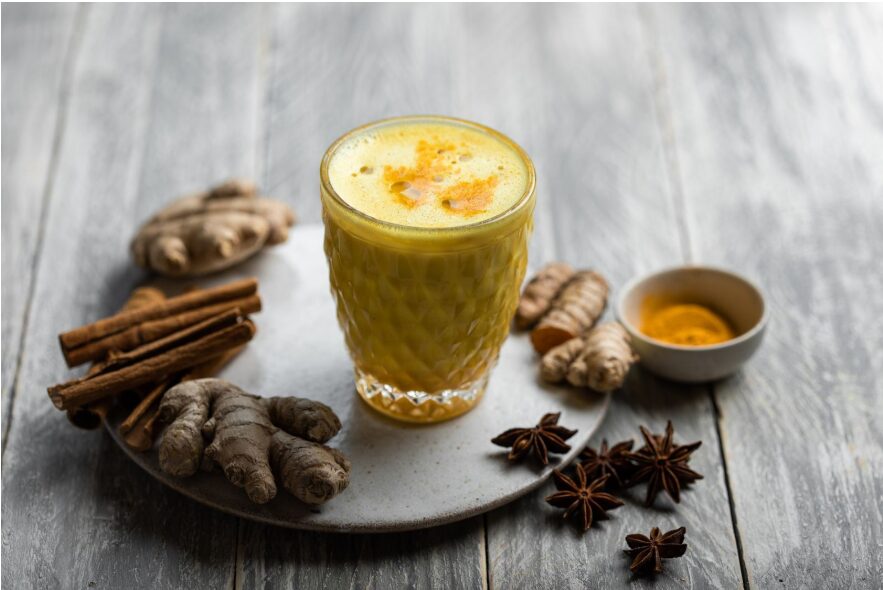
1. the relationship between ginger and immunity
Ginger contains active ingredients such as gingerols and shogaols, which have obvious antioxidant and anti-inflammatory properties.
These ingredients reduce the production of free radicals and inflammatory mediators and help white blood cells maintain normal function, thereby supporting the stable functioning of the immune system rather than “instantaneously boosting immunity.”
In several reviews and experimental studies, ginger is regarded as a potential natural immunomodulator that reduces the risks associated with certain infections and chronic diseases by adjusting the inflammatory response and antioxidant capacity.
However, experts also caution that no single ingredient can replace a balanced diet and regular schedule, only as part of an overall lifestyle.
2. the main benefits of ginger tea, ginger juice for the body
1. Warm circulation, cold and warm
From the experience of traditional Chinese medicine and folk, ginger is often used to “warm the middle and dispel cold” to improve cold hands and feet, the initial stage of wind-cold cold and other conditions.
Gingerol and gingerol can promote microvascular dilation and accelerate blood circulation, so in people who have a sharp drop in temperature or a cold body, a cup of hot ginger tea can bring a significant warming feeling.
For people who often eat raw and cold food, blow too much air conditioning or sit for long periods of time, using ginger tea as an occasional warm-up drink helps reduce the sense of “not too cold outside, but always ice cold”.
2. Anti-inflammatory, relieves soreness and discomfort
Modern research shows that multiple components of ginger can inhibit the inflammatory pathway, reducing the expression of cytokines associated with chronic inflammation.
This makes ginger tea and ginger drink used by many people in daily maintenance to help relieve joint aches, muscle discomfort after exercise, and menstrual discomfort.
At the same time, ginger is also widely used to reduce symptoms such as nausea, motion sickness, morning sickness and indigestion, warm ginger tea with a small amount of honey or lemon, both soothe the stomach and balance the palate.
3. Helps fight colds and respiratory discomfort
Ginger has certain antibacterial and antiviral potential, and relevant studies indicate that it inhibits the activity of certain pathogenic bacteria and respiratory pathogens.
In the early stages of a cold, mild throat discomfort or cold, warm ginger tea is often used as an auxiliary drink to help the body sweat, relieve sore throat and muscle soreness.
It needs to be emphasized that ginger tea is not a replacement for regular medical or antiviral medications, but it does have its place as a warm and soothing non-alcoholic hot drink outside of physician-recommended treatment options.
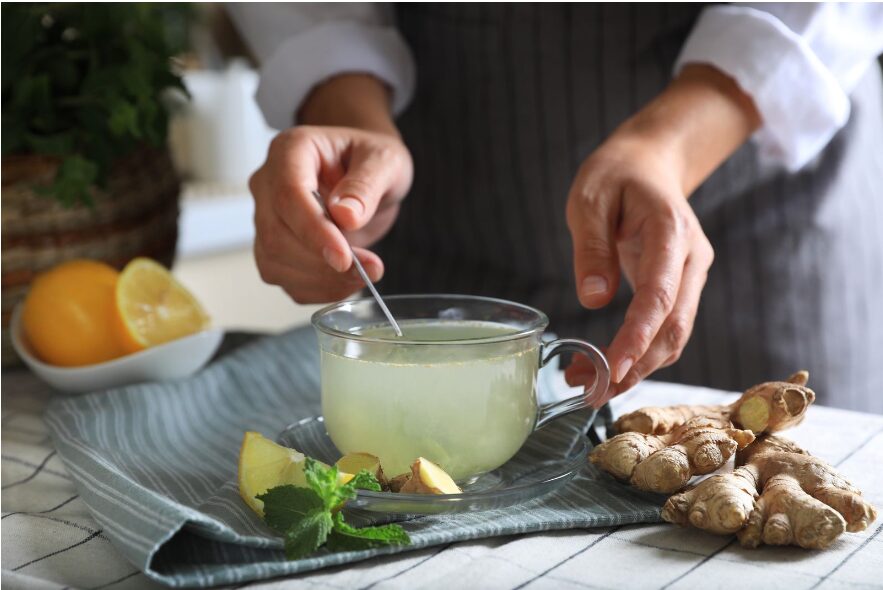
3. ginger tea and ginger juice: how to prepare more “plus effect”
1. Heating method and time
Nutritionists and doctors in Japan and Taiwan say that when raw ginger is heated at about 80°C for a period of time, gingerol is partially converted into gingerol, the latter is thought to be more active in raising body temperature, burning fat and immune regulation.
Experiments show that heating at 80°C for about 1 hour increases the gingerol content by 10–15% and rises to 40–50% if heated for 3 hours.
Daily cooking ginger tea at home does not need to be overly precise measurement of water temperature, but can avoid “boiling to roll eyes” and long-term frantic cooking way, instead: water boiling after turning to low heat, maintain slight stirring for a while.
2. Ginger tea alone vs. ginger juice blend
- Ginger tea: mostly sliced or crushed ginger with water to boil, then add black sugar, red dates, lemon or red tea according to preference, suitable for warming up in cold weather or adjusting the body.
- Ginger juice: Squeezed fresh ginger juice can be added in small amounts to warm water, sparkling water, juice or cooking sauce for a stronger flavor and is more suitable as a cooking garnish or a “small cup of concentrated” health drink.
Regardless of the form, the focus is on “small amounts, regularly, and matching the individual’s physique,” rather than pursuing a quick and large intake.
4. the timing and portion recommendations of drinking ginger tea and ginger juice
1. When is more appropriate to drink
Many Chinese medicine and health experts will recommend that those with a cold body, cold fear, cold hands and feet or prone to wind and cold colds can drink ginger tea in the morning or during the cooler hours of the day to help the yang flow.
After strenuous exercise, sweating or the body is already partially hot, it is not advisable to drink large amounts of too strong, overheated ginger drink, so as not to “fire on top of the fire”.
At night, before going to bed, if the body is hot, easy to insomnia or dry mouth, then should be cautious to drink strong ginger tea, so as not to aggravate heat and sleep quality problems.
2. Recommended intake
Most experts do not set strict “caps” for generally healthy adults, but clinical reviews recommend:
- The amount of raw ginger used daily is maintained in the range of a few grams to dozens of grams, which is generally enough to feel the warming and soothing effects
- Those with stomach sensitivity, gallstones, special medications (such as anticoagulants) should consult their physician or pharmacist in advance to avoid interactions or exacerbation of discomfort
The real point is to observe yourself: if you experience heartburn, significant dry mouth, palpitations or worsening sleep, it means that the current amount and concentration may be too much for you.
5. Who is not suitable for ginger tea as a “daily maintenance drink”
Although ginger is relatively safe, not everyone is suitable for frequent, large consumption:
- People with a hot body, easy dry mouth, long-term throat discomfort or obvious manifestations of liver fire, excessive ginger tea may exacerbate the symptoms of fire.
- In those with a history of gastric ulcers, severe gastroesophageal reflux or digestive tract ulcers, pungent ingredients may irritate the mucous membranes and require evaluation by a physician before deciding whether to drink in moderation.
- People who are using anticoagulants or certain cardiovascular drugs should proactively discuss this with their medical team due to their certain antiplatelet effects and theoretical risk of interactions.
For these people, it would be safer to think of ginger as an occasional, small seasoning or ancillary, rather than the large amount of ginger tea that must be consumed every day.
6. let ginger become a “little supporting role” in life, not the only protagonist
From scientific research to traditional experience, ginger does have multiple potentials such as antioxidant, anti-inflammatory, immune regulating and promoting circulation.
However, immunity is never a result that can be determined by a cup of ginger tea, but rather a curve that sleep, stress management, exercise, overall diet and emotional state pull together.
Considering ginger tea, ginger juice as a gentle intervention when the seasons change, when the body is cold or slightly tired—neither deified nor neglected—is perhaps its most appropriate role.