




1. What Exactly Does Metabolism Do?
Metabolism refers to the entire set of chemical reactions the body undergoes to convert food into energy, build and repair tissues, maintain body temperature, and perform various vital functions.
Basal metabolic rate determines your energy expenditure at rest, while diet and exercise act like two hands: one pushes it forward, while the other may subtly slow it down.
Key factors affecting metabolism include: age, gender, muscle mass, hormone levels, sleep and stress, and what you eat each day.
Eating itself consumes energy, with protein being particularly “laborious.” Therefore, the types of food you choose directly affect how much your body “burns.”
2. How Diet Helps Metabolism
Different nutrients consume different amounts of energy during digestion: protein consumes the highest proportion, followed by carbohydrates, and finally fats.
This means that if you replace some refined staple foods and high-sugar snacks with high-quality protein, fiber-rich, and mineral-rich foods, your total energy expenditure will increase subtly but over the long term.
In addition, certain components can boost metabolism through other pathways, such as iodine and selenium, which support thyroid function; capsaicin, which has a mild thermic effect; and fermentable fiber, which helps gut microbiota.
These changes are often gentle and won’t magically lead to “rapid weight loss,” but they are valuable additions for long-term lifestyle adjustments.
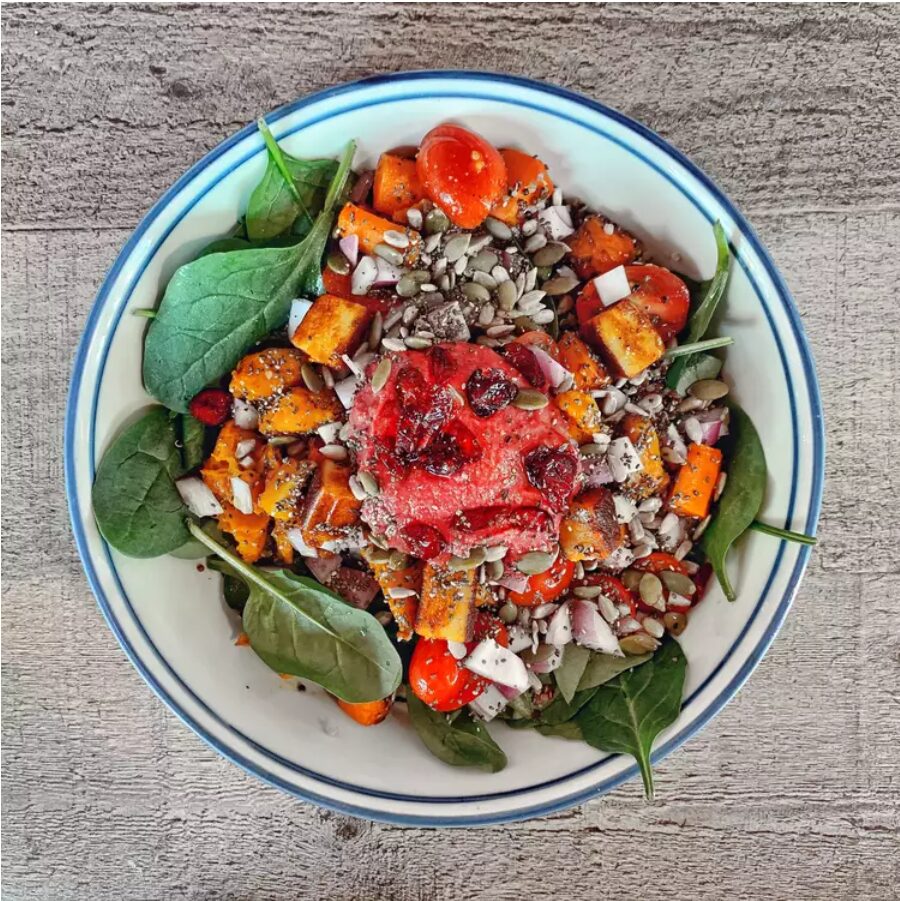
3. Key Food Categories for Metabolism Optimization
1. High-Protein Foods: Enhancing the Thermic Effect of Food
Protein digestion requires more energy, essentially “paying a metabolic tax” with every bite.
Common high-protein sources include: lean meat, fish, eggs, dairy products, legumes, and nuts and seeds. Distributing these appropriately across three meals can slightly increase energy expenditure and help preserve muscle mass.
During a fat loss phase, insufficient protein intake makes the body more prone to muscle breakdown, leading to a decline in basal metabolic rate.
The sensible approach is to include a visible protein source in every meal, rather than just “supplementing” at dinner.
2. Mineral-Rich Foods: Providing “Ammunition” for the Thyroid Gland
Thyroid hormones play a crucial role in regulating metabolic rate, and minerals such as iodine, iron, zinc, and selenium are essential raw materials for their synthesis.
Seaweed, seafood, nuts, legumes, and fortified dairy products are all easy choices to include in your daily diet.
Extreme dieting or completely eliminating certain food categories over a long period can unknowingly reduce the intake of these nutrients, thus affecting metabolism.
A more reliable approach than chasing a single “miracle food” is to maintain a diverse diet.

3. Spicy and Hot Drinks: Moderate “Thermodynamic Boosts”
The spicy components in chili peppers (such as capsaicin) can slightly increase energy expenditure in the short term and may promote fat oxidation.
A simple everyday practice is to add a small amount of chili peppers or chili powder to soups, stir-fries, or sauces, without aiming for “the spicier, the thinner.”
Caffeine and polyphenols in coffee and tea are also associated with a slight increase in metabolism and fat metabolism.
However, once large amounts of syrup, creamer, and butter are added, the original slight metabolic advantage can easily be offset by the extra calories.
4. Legumes and Whole Grains: Fiber and Satiety
Legumes and lentils combine protein and fiber, making digestion more labored and increasing satiety, thus reducing overall intake.
You can replace some refined staple foods with chickpeas, black beans, or lentils daily, or make them into soups, salads, and stews.
Fiber-rich whole grains (such as oats, quinoa, and brown rice) digest more slowly, helping to stabilize blood sugar and energy levels and preventing frequent hunger and overeating.
A stable eating rhythm and blood sugar fluctuation over the long term are more beneficial for metabolism than any “quick-fix diet.”
5. Seaweed, Nuts, and Seeds: Micronutrients and Healthy Fats
Seaweed is rich in iodine and other marine-specific components, some of which have been studied for their potential to improve lipid metabolism.
Adding seaweed, wakame, or other similar ingredients to soups, salads, or side dishes can enhance flavor and provide a richer source of minerals.
Brazil nuts, flax seeds, and other nuts and seeds provide selenium, healthy fats, and fermentable fiber, which aid metabolism and provide antioxidants.
The key is to control the quantity: a small handful of nuts or a spoonful or two of seeds is sufficient; there’s no need to treat them as “unlimited diet snacks.”

6. Water and Water-Containing Foods: The Underrated Foundation
Adequate water intake slightly increases energy expenditure and helps with digestion, circulation, and body temperature regulation.
For those who spend most of their time sitting, drinking water regularly and getting up to move around is the easiest way to maintain a “daily metabolic boost.”
High-water-content, low-calorie vegetables (such as celery, cucumber, and broccoli) help in two ways: they provide volume and chewiness, reducing excess calorie intake; and they improve the gut environment through water and fiber.
If your plate is half-filled with various vegetables, your body will be quite “satisfied.”
4. How to Incorporate These Foods into Your Three Meals a Day
- Breakfast: Add yogurt and nuts to porridge or oatmeal, accompanied by a serving of fruit and water or unsweetened tea, ensuring protein, fiber, and hydration are all present.
- Lunch: Choose a combination containing high-quality protein (fish, chicken breast, tofu), whole-grain staples, and a large portion of vegetables, seasoned with chili or ginger as needed.
- Dinner: Reduce portion size moderately but don’t make it too bland. Continue to include protein and vegetables. Replace oily stir-fries with beans, lentil soup, or steamed fish.
Between meals, if a snack is needed, prioritize nuts, a small box of yogurt, and fresh or frozen berries, rather than sugary pastries and sugary drinks.
This seemingly non-radical dietary rearrangement, combined with regular exercise and sleep, is often more reliable and effective than any “fast-track metabolism secret.”